
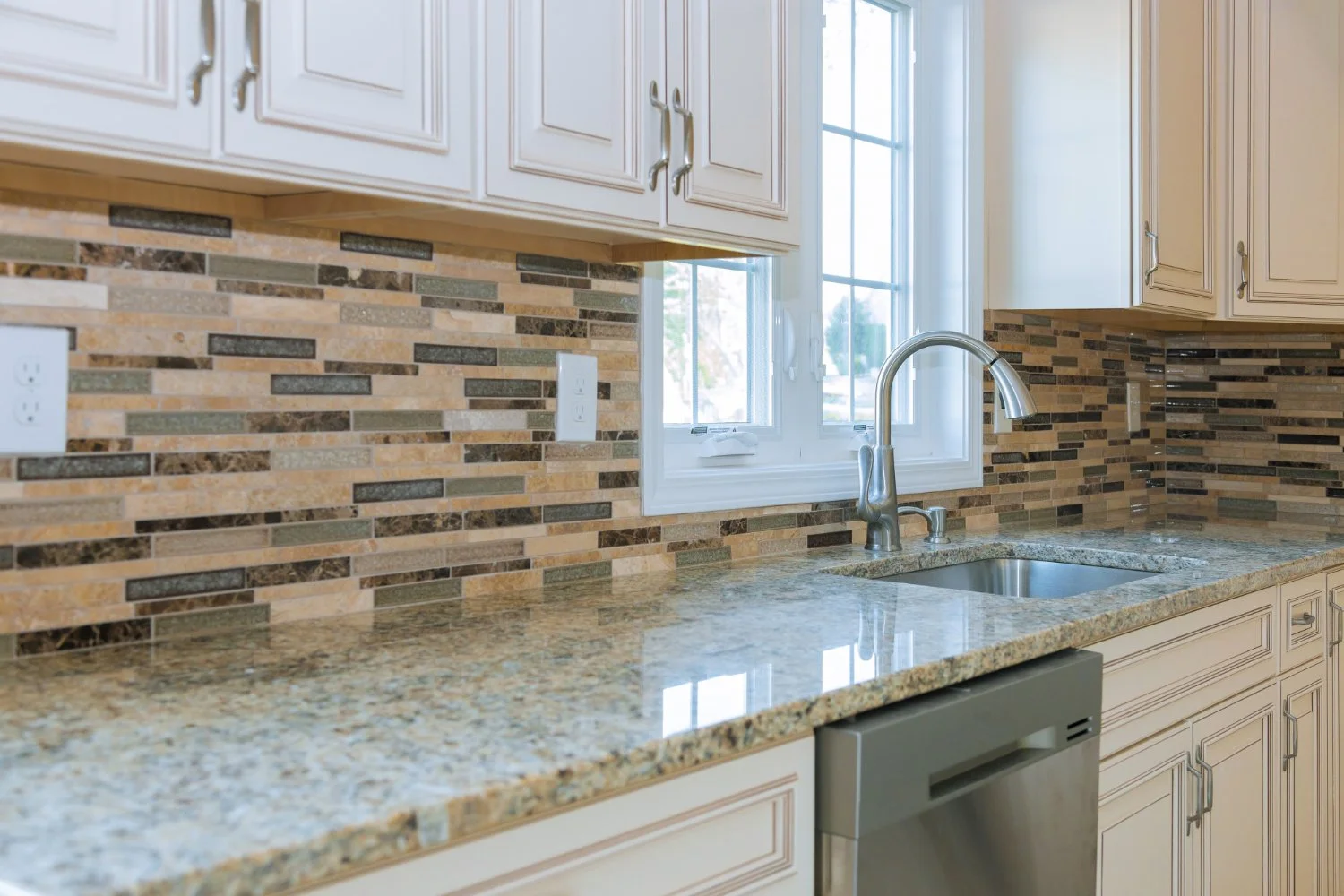
In the world of high-end kitchen design, the quest for a surface that seamlessly blends breathtaking beauty with formidable strength is never-ending. While granite and engineered quartz have long been popular contenders, a natural stone has been steadily rising to the forefront, captivating homeowners and designers alike: quartzite. Far more than just a “pretty face,” quartzite worktops represent a compelling fusion of geological drama and practical resilience. This article delves into the essence of quartzite, exploring its unique characteristics, benefits, considerations, and care, to help you determine if this remarkable stone is the destined centerpiece for your culinary space.
The Geological Marvel: What is Quartzite?
To truly appreciate a quartzite worktop, one must understand its extraordinary origin story. Quartzite begins its life as humble sandstone, composed primarily of quartz grains. Over millions of years, through immense heat and pressure deep within the earth’s crust, these grains are fused together in a process called metamorphism. The result is a supremely hard, non-foliated rock that is, in essence, nature’s own engineered stone a monolithic slab of nearly pure quartz. This dramatic genesis is key to its performance; unlike softer marbles or even some granites, quartzite’s crystalline structure grants it exceptional density. It’s crucial to distinguish it from engineered quartz, a man-made composite of crushed quartz and resins. While both are excellent, quartzite offers the unique, unrepeatable veining and color shifts of a natural stone, with each slab being a one-of-a-kind piece of planetary history.
Unrivalled Durability and Heat Resistance
The metamorphic process bestows upon Quartzite worktops a legendary toughness that is a primary draw for busy kitchens. On the Mohs scale of mineral hardness, quartzite typically ranks between a 7 and 8, placing it just below diamonds and corundum (sapphires/rubies). In practical terms, this translates to a remarkable resistance to scratching. You can chop, prep, and place cookware directly on its surface with far less anxiety than with many other materials. Furthermore, quartzite is exceptionally heat resistant. While always recommended to use trivets for extreme temperatures, its natural composition allows it to withstand hot pots and pans better than engineered quartz, whose resin binders can be damaged by high heat. This combination makes it a dream surface for those who love to cook and entertain, offering a fortress-like durability that stands up to the rigors of daily life while maintaining its elegant appearance.
A Palette of Breathtaking, Natural Beauty
If durability provides the compelling argument, the aesthetics of quartzite deliver the knockout punch. Quartzite worktops are celebrated for their stunning visual depth and movement. They often feature soft, ethereal backgrounds in shades of white, grey, silver, or pale gold, swept through with dramatic, painterly veining in tones of charcoal, blue, rust, or gold. The patterns can range from bold, Carrara-marble-like swirls to delicate, feathery filaments, offering a look that many desire from marble but with significantly greater resilience. This natural artistry ensures no two kitchens are alike. Slabs like White Macaubas, Taj Mahal, or Sea Pearl have become iconic, offering a luxurious and timeless appeal that can elevate the entire design scheme of a kitchen, from modern minimalist to rustic farmhouse.
Maintenance and Sealing: The Essential Care Regimen
While quartzite is incredibly hard, it is not entirely impervious. Its porosity can vary, but most quartzite worktops require an initial sealing with a high-quality, penetrating sealer upon installation. This sealant fills the microscopic pores in the stone, creating a barrier against stains from oils, wines, or acids like lemon juice and vinegar. Unlike the near-zero maintenance of engineered quartz, quartzite does demand this periodic commitment typically resealing once a year to maintain its optimal stain resistance. Daily care, however, is straightforward: clean with mild soap and warm water, and avoid harsh abrasive cleaners or acidic solutions that could degrade the sealant over time. With this simple regimen, your quartzite surface will retain its luminous beauty for decades.
Quartzite vs. The Alternatives: Making an Informed Choice
The decision often comes down to quartzite versus its two main rivals: granite and engineered quartz. Granite offers similar natural variation and good hardness but can be less consistent in pattern and may not achieve the same luminous, marble-like aesthetic many seek with quartzite. Engineered quartz provides unparalleled uniformity, a vast array of consistent colors, and requires no sealing, but it cannot match quartzite’s natural depth, unique patterning, or its superior heat resistance. Quartzite occupies a prestigious middle ground: it offers the authentic, geological artistry of natural stone with a hardness that frequently surpasses granite and a heat tolerance that outclasses engineered quartz. It is the choice for those who refuse to compromise between uncompromising beauty and formidable function.
Conclusion: An Investment in Timeless Elegance
Choosing a quartzite worktop is an investment, not just in your home’s financial value, but in the daily experience of your kitchen. It is a commitment to a surface that tells a story a narrative of ancient geological forces captured in stone. It promises a backdrop for family meals, creative cooking, and cherished gatherings that will only grow more beautiful with time, developing a soft patina of life lived well. While it asks for a modest degree of care in return, it rewards you with a breathtaking, durable, and uniquely personal focal point. In the symphony of kitchen design, quartzite is not just another note; it is a enduring, natural masterpiece that performs brilliantly, season after season.