
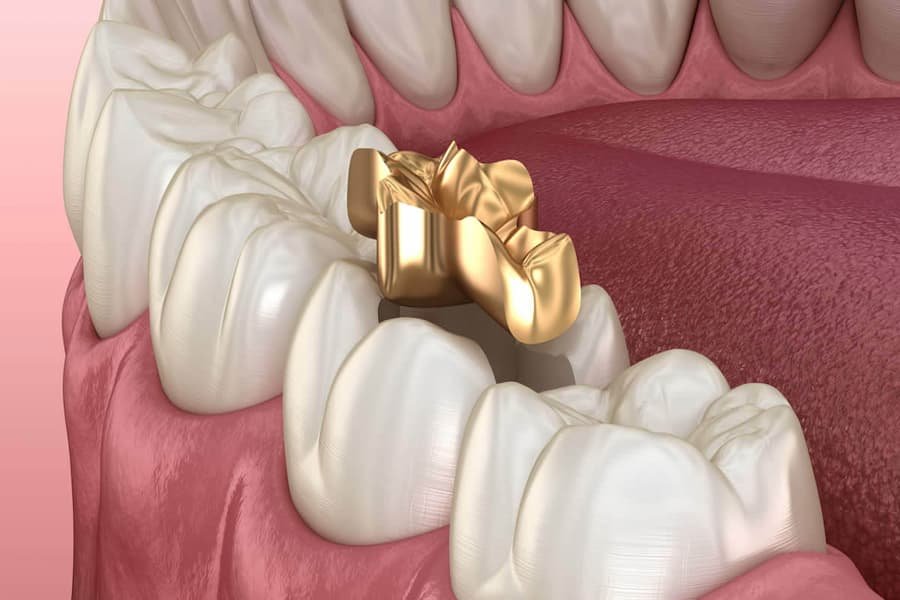
General well-being and confidence depend on dental health. Dentists frequently suggest dental crowns to repair the strength and function of a tooth that has been broken, worn, or decayed. Crowns help the tooth get back its original form and stop more damage by acting as protective coverings covering the whole tooth. Gold has been a dependable option among the several materials utilised in dentistry for many years because of its great longevity and strength.
Because it can resist strong chewing pressure, a gold tooth crown is especially appreciated and is a preferred choice for repairing posterior teeth. Though gold crowns continue to be distinguished for their longevity and biocompatibility, gold crowns also come in new materials such as porcelain and ceramics. Modern dental technology has further improved the design and fitting process, so these crowns can offer patients looking for strong and reliable dental restorations both comfort and long-term durability.
What Are Gold Dental Crowns?
Gold dental crowns are tooth-shaped covers made from a gold alloy. These crowns help to bring back strength and form for teeth that are either broken or decayed. Generally, gold combined with other metals like copper or platinum defines the alloy used in these crowns. While retaining gold’s inherent strength, this mixture enhances durability. Frequently reserved for molars or back teeth are gold crowns. These teeth must be made of tough materials as they endure the most pressure during chewing. Gold is a perfect material for this application because of its strength.
Resilience and Strength
Their great longevity is among gold crowns’ most notable benefits. Gold is a tough metal that can resist severe chewing and biting pressures without snapping or splitting. Gold crowns seldom crack, unlike certain ceramic crowns. When correctly cared for, they can endure for several years. Many individuals have gold crowns that last for decades. Gold is also kind to adjacent teeth. Its smooth surface reduces wear on opposing teeth more than harder materials like porcelain would. Long-term dental restoration, therefore, benefits from this as a dependable and secure choice.
Contemporary Technology in Crown Design
Over the last few years, dental technology has advanced considerably. Dentists are increasingly employing digital scanning and sophisticated manufacturing processes to create crowns with more exactness. Dentists can use computer-aided design and manufacturing (CAD/CAM) systems to produce crowns suited preciselytoh the patient’s bite. This innovation lessens the need for fixes and enhances comfort. These cutting-edge methods help even conventional materials like gold. The outcome is a crown that is better fitted, works well, and endures longer.
Comfort And Biocompatibility
Gold crowns are famous for their remarkable biocompatibility. This implies they rarely cause allergies or irritation and fit the body well. Gold doesn’t interact with oral tissues or saliva because it is a stable substance. This makes it a secure choice for many patients, especially those who could be allergic to other dental substances. Comfort is another advantage. Gold crowns are quite adaptable to temperature variations and natural tooth motion. Patients sometimes wear them comfortably once the crown is installed.
Esthetic Considerations
Although gold crowns are quite strong, their look is not always fitting for noticeable teeth. When one smiles or speaks, the metallic tint can be visible. Gold crowns are often used for teeth found toward the rear of the mouth, such as molars. Appearance in these locations is subordinate to functionality and strength. Some patients value, nevertheless, the unusual and eye-catching appearance of gold crowns. For them, the visible metal might even serve as a statement of personal style.
Long-Term Maintenance And Care
Caring for a gold crown is much like taking care of natural teeth. Regular flossing, brushing, and dental exams support the crown’s and surrounding teeth’s health. To make sure the crown fits correctly and no decay forms around it, dentists may advise regular exams. Extending the lifetime of dental restorations depends mostly on good oral hygiene habits. Avoiding behaviours like grinding teeth or eating hard objects will also help safeguard the crown. Gold crowns can provide dependable support and functioning for many years if carefully cared for.
Conclusion
Gold dental crowns still provide a viable alternative in current dentistry. Their long life, comfort, and robustness make them ideal for repairing back teeth. Gold is still one of the most reliable options for dental repairs, even with more current materials at hand. Gold crowns provide patientswith a dependable answer for retaining oral health and restoring assured smiles by fusing traditional strength with cutting-edge dental technology.
Visit Manhwa18 for more informative blogs.