
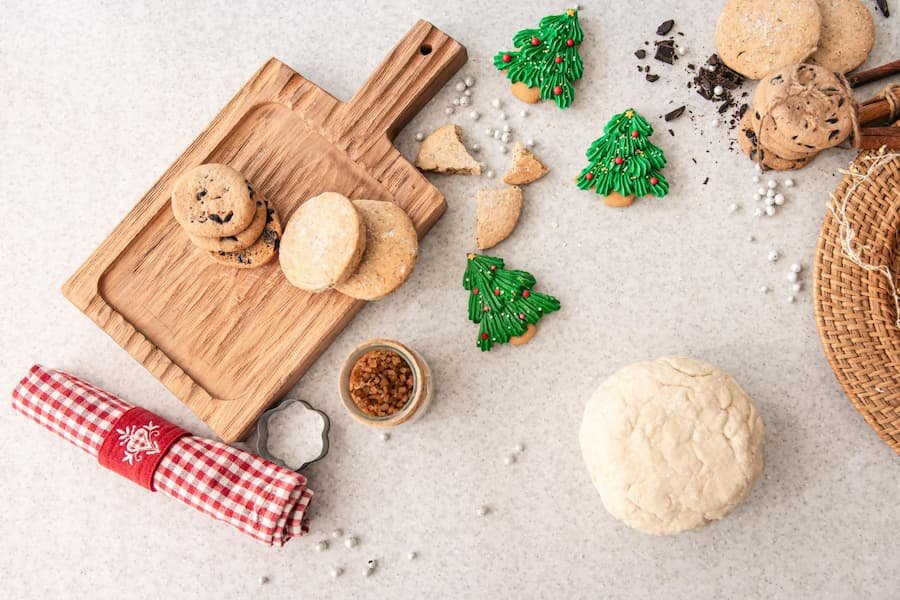
Biting right into a cookie that is preferably baked—crispy on the outside, chewy and tender inside the middle, and bursting with flavour—has a sure charm. But it takes skill to get that perfect texture. It involves technique, accuracy, and technology. Understanding cookie dough is important for always generating bakery-excellent results, whether you are baking for your own family, guests, or your personal remaining-minute goals.
These are the seven handiest techniques that flip normal biscuits into mouthwatering delights. A wealthy, decadent delicacy with a soft, smooth texture and a candy, chocolate-filled flavour, a cookie dough dessert is right for sating appetites at any time of day.
1. Use The Proper Temperature For Butter
The shape and texture of cookies are considerably influenced by the use of butter. Your butter’s temperature has an enormous impact on the final results.
- Cookies made with room temperature butter are smooth and chewy.
- Cookies made with butter that has melted are denser and thinner.
- Cookies made with bloodless butter are thicker and require less spread.
It should nevertheless preserve its shape while pushed; room temperature does not mean gentle and oily. When the sugar and butter are nicely creamed, air is incorporated, which aids in the uniform baking and growing of cookies.
Advice: To keep away from an excessive amount of spreading if the melted butter is excessively smooth, set back the flour mixture for 20 to half-hour earlier than baking.
2. Accurately Measure The Ingredients
Chemistry is involved in baking. Texture can be ruined by tiny measurement errors. The most frequent error? Too much flour is added. Use a knife to smooth out the flour after spooning it into the measuring cup rather than scooping it out using the measuring cup. Use a kitchen scale for even more precision. Excessive flour results in crumbly, dry cookies. Cookies made with too little flour are flat and oily. Balance is ensured by precision.
Keep The Dough Chilled (Don’t Skip This Step)
One of the most crucial—and sometimes forgotten—steps in making cookies is chilling the dough. Why it’s important: stops the fat from spreading too much by solidifying it. enables the development of flavours. improves texture by completely hydrating the flour.
Chilling for even half an hour might have a significant impact. Some bakers refrigerate dough overnight for a deeper flavour.
To improve consistency and taste, experienced pastry chefs and companies like Nestlé Toll House frequently advise resting dough.
4. Select the Appropriate Sugar Blend
Most people are unaware of how much sugar alters texture. Crispiness is produced by way of white sugar. Because brown sugar incorporates molasses, it provides moisture and chewiness.
Cookies with a better percentage of brown sugar are softer, at the same time as cookies with a higher proportion of white sugar have crunchier edges. Texture can be tailor-made to your options by way of experimenting with ratios.
5. Avoid Mixing the Dough Too Much
Add the flour and stir simply till included. Cookies that are overmixed may also become harsh in preference to sensitive because of the development of gluten. A soft, cohesive dough, and no longer a stretchy one, is the purpose. Gently fold in the chips of chocolate or different mix-ins. Results are softer when there’s less blending.
6. Recognise Oven Temperature And Baking Time
An extra minute or a few degrees inside the temperature of the oven could make all the difference.
For chewy, gentle cookies:
- Bake between 175°C and one hundred eighty°C (350°F).
- When the centres nonetheless seem a bit underdone, however, the borders are set, eliminating.
After being removed, the cookies continue to cook on the baking pan. Before moving them towards a wire rack, give them five minutes to rest.
Texture consistency is ensured by maintaining a constant temperature.
7. Pick a Proper Baking Surface
Your liner and baking sheet are important. Cookies brown more quickly in dark pans because they absorb more heat. Pans of a lighter colour bake more evenly. Parchment paper lessens over-browning and stops adhering. Although silicone mats encourage even baking, they may marginally lessen crisp edges. Don’t pack the baking sheet too full. Allow space for cookies to spread. Browning and airflow are affected by spacing.
Extra Advice for Better Cookie Dough
Put A Pinch Of Salt In There
Salt helps even sweet cookies. It complements sweetness and adds flavour. Before baking, put salt water flakes on top for a gourmet look.
Make Use of Premium Chocolate
Better cookie dough are made with better ingredients. High-quality chocolate adds richness and melts smoothly.
Try Some Browned Butter
A nutty, caramelised depth of flavour is added by browning butter. Before incorporating it into the dough, allow it to cool slightly.
Typical Cookie Issues and Solutions
Flat Cookies?
- Too-warm butter
- Insufficient flour
- skipped the chilling
Are those Dry Cookies?
- Excessively baked
- An excessive amount of flour
- Not enough fat
Hard Cookies?
- Mixing too much
- Baking too much
- An excessive amount of white sugar
One aspect of becoming an expert baker is troubleshooting. Every batch imparts new knowledge.
Final Words
Control is key to baking cookie dough perfectly; luck is not. Every element affects the finished texture and flavour, from the butter’s temperature to the chilling period.
These should be the main factors you keep in mind:
- Take exact measurements.
- Let your dough cool.
- Avoid overbaking.
- Adjust the oven’s temperature.
If you understand these basics, your cookies will always be chewy, golden, and delicious.
Visit Manhwa18 for more informative blogs.