Introduction
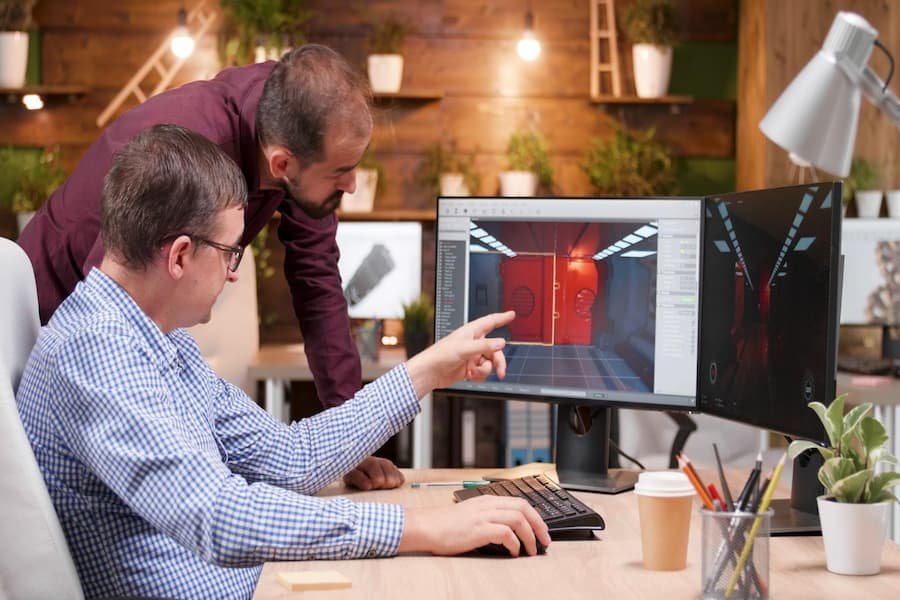
Advanced 3D design has transformed project planning, visualization, and execution in numerous sectors. Teams can create immersive, data-rich environments with 3D design tools. In architecture, engineering, product development, gaming, healthcare, and marketing. Design, engineering, and other project participants can prototype ideas with these tools. They make better decisions and obtain better results.
As computers and software improve, complicated 3D design is no longer for wealthy companies. It’s a vital and easy feature of contemporary project procedures that provides you more creative freedom, precision, and efficiency than outdated design techniques.
Enhanced Visualization and Concept Clarity
Modern 3D design can clearly visualize concepts, which is one of its finest features. 2D drawings and static sketches can’t convey shape, scale, depth, and spatial linkages like 3D models. This level of visualization lets project teams visualize how all the elements fit together and the final product or structure will appear.
Better visualization reduces confusion and misinterpretation during design. Complex ideas may be easily understood by non-technical individuals when displayed in 3D. This single understanding streamlines approvals, simplifies communication, and reduces project changes.
Improved Design Accuracy and Precision
Advanced 3D design tools enable precise project planning and execution. To ensure every area of a product satisfies specifications, designers may use accurate measurements, realistic dimensions, and correct material characteristics. Building, manufacturing, and engineering require this degree of accuracy since even little errors can create costly delays or structural issues.
3D design creates a digital replica of the actual environment to uncover flaws before manufacture or building. Early testing of tolerances, stress points, and spatial constraints reduces the likelihood of errors and rework.
Faster Design Iterations and Reduced Development Time
Advanced 3D design greatly accelerates iteration. Adjusting digital model characteristics makes it easier to make adjustments that used to require redrawing blueprints. This versatility enables teams to preview multiple design ideas faster than with previous methods.
Rapid iteration lets people explore new things without wasting resources, helping fresh ideas. Early in the project, teams may test ideas, refine details, and optimize performance. This accelerates product development and launch. In fast-paced industries, organizations that can make quick, educated decisions have an advantage.
Cost Savings Through Early Problem Detection
One of the best benefits of advanced 3D design is cost reduction. Finding design issues or inefficiencies early in a project is far cheaper than fixing them after construction or manufacture. 3D modeling services help teams spot material, conflict, and misalignment issues before they arise.
This proactive approach reduces waste, decreases material costs, and prevents costly adjustments. Advanced 3D design is a worthwhile investment since early problem detection may save a lot of money over time.
Realistic Simulation and Performance Testing
Another big benefit of advanced 3D design is that it lets you see how things work in the actual world in a virtual setting. Designers can figure out how a product or structure will work in different situations, such when it’s under stress, heat, motion, or exposure to the environment. These models give us important information that would be hard or expensive to get via physical testing alone.
3D simulations for performance testing can improve functionality, safety, and durability. By digitally verifying designs, teams may make data-driven changes that increase quality and lower the need for many physical prototypes.
Enhanced Creativity and Design Freedom
Many issues with traditional design methods are eliminated with advanced 3D design. You may freely explore organic shapes, complicated formations, and delicate details without sacrificing accuracy. With more creative flexibility, designers may innovate and stand out in crowded markets.
The ability to visualize and develop complex ideas inspires creativity and experimentation. Designers may boldly explore huge ideas since improved tools will let them be creative and work.
Long-Term Value and Scalability
Advanced 3D design tools make projects that create digital assets that can be used again and again, which adds value over time. For future stages, maintenance planning, or product modifications, models can be changed, reused, or added to. This scalability makes it possible for things to grow and change throughout time.
As companies develop libraries of 3D assets and workflows, they get better at completing projects faster. Advanced 3D design gives you a strategic edge that helps you stay consistent, enhance quality, and keep getting better.
Conclusion
Advanced 3D design provides benefits beyond appearance. It makes ideas more visible, accurate, collaborative, and efficient, changing how they are created and executed. Advanced 3D design reduces costs, development time, and boosts creativity and stakeholder participation to help teams create smarter, better solutions. As more industries adopt new technologies, skilled 3D design is essential for getting things done properly, coming up with new ideas, and ensuring project success.
Visit Manhwa18 for more infrmative blogs.