
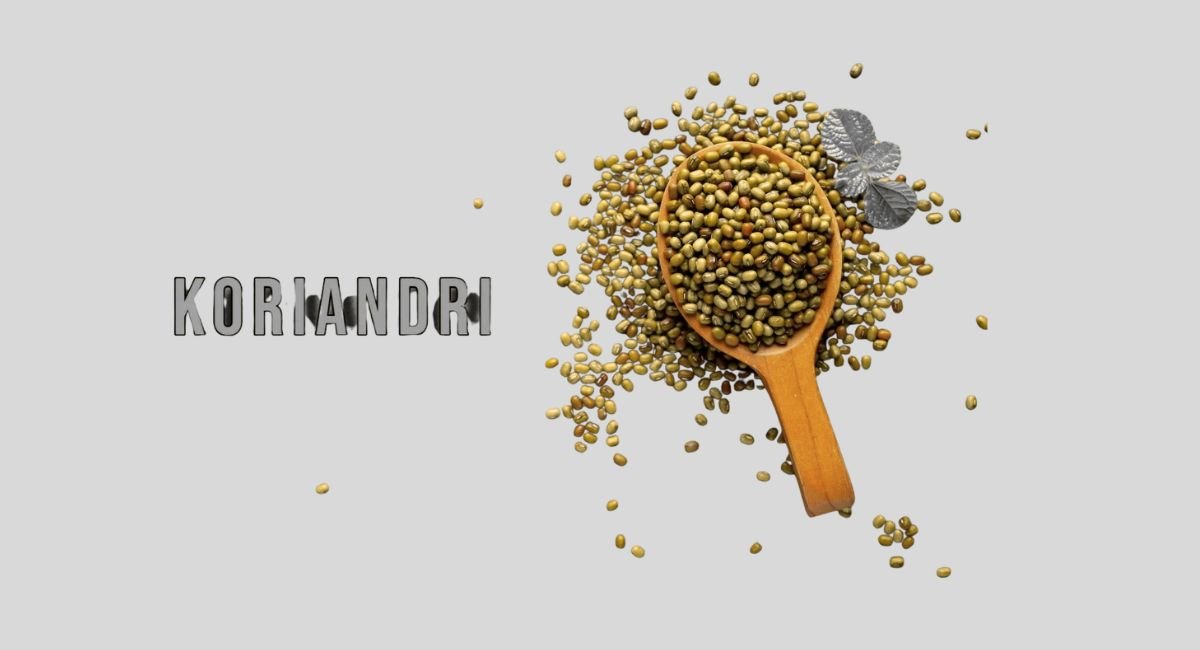
When you walk into your kitchen and reach for that bright green herb or those round, tan-colored seeds, you’re holding something special. Koriandri has been making food delicious for over 7,000 years. But here’s the thing – this plant is more than just tasty. It’s a health powerhouse that’s easier to grow than you might think.
What Exactly Is Koriandri (Coriander)?
Let’s clear up the confusion right away. In the United States, we call the fresh leaves “cilantro” and the dried seeds “Koriandri.” But they both come from the same plant: Coriandrum sativum. It’s part of the carrot and parsley family, which explains those delicate, lacy leaves.
The leaves taste bright and citrusy with a hint of pepper. The seeds? They’re completely different – warm, nutty, and slightly sweet with orange notes. Some people absolutely love cilantro, while others say it tastes like soap (that’s actually genetic, by the way).
Why Koriandri (Coriander) Deserves a Spot in Your Garden
Growing your own coriander saves money and guarantees freshness. Plus, it’s surprisingly easy once you know the tricks.
Growing Made Simple
Starting from Seed
Koriandri grows best from seed sown directly where you want it. The plant has a long taproot that doesn’t like being moved around. Here’s what works:
- Soak seeds overnight in water to speed up germination
- Plant seeds about ¼ inch deep and 2-3 inches apart
- Choose a spot with good drainage and plenty of sun
- Keep soil consistently moist but never waterlogged
- Expect sprouts in 7-20 days
Best Growing Conditions
Coriander is a cool-season plant. It loves spring and fall temperatures between 50-85°F. When summer heat hits, the plant “bolts” – sending up flower stalks and going to seed. While that’s bad for leaf production, it’s perfect if you want coriander seeds.
For continuous harvests, plant new seeds every 2-3 weeks from early spring through fall. Each planting gives you fresh leaves for about a month before flowering.
Container Growing Success
No garden? No problem. Coriander thrives in pots:
- Use containers at least 8 inches deep for those long roots
- Fill with quality potting soil mixed with compost
- Place in a sunny spot (6+ hours of direct light)
- Water when the top inch of soil feels dry
- Move containers to shade during heat waves to prevent bolting
Harvesting Your Bounty
For Fresh Leaves
Start snipping leaves when plants reach 4-6 inches tall. Cut outer leaves first, leaving the center to keep growing. The stems have tons of flavor too – don’t throw them away.
Want to keep your plant producing? Harvest regularly but never take more than one-third of the plant at once. This encourages bushier growth.
For Seeds
Let a few plants flower and watch as white or pink blooms appear. Bees and butterflies will thank you. After flowering, green seed pods develop. Wait until they turn light brown and the plant starts dying back.
Cut the entire plant and hang it upside down in a paper bag. The seeds will drop naturally as they dry. Store dried seeds in airtight containers – they’ll stay flavorful for up to a year.
Storing Fresh Coriander Like a Pro
Fresh cilantro is notoriously quick to wilt. Try these methods:
The Jar Method (Best Option)
- Trim stem ends
- Place in a jar with 1 inch of water
- Cover loosely with a plastic bag
- Store in refrigerator
- Change water every 2-3 days
- Lasts up to 2 weeks
The Paper Towel Method
- Lay leaves in a single layer on damp paper towels
- Roll up gently
- Place in a sealed bag or container
- Refrigerate and change towels if they get too wet
Long-Term Storage
- Chop leaves and freeze in ice cube trays with water or olive oil
- Store whole leaves in freezer bags (great for cooked dishes)
- Dry seeds completely before storing in sealed jars
Cooking with Coriander
Using Fresh Cilantro
Add cilantro at the end of cooking to preserve its bright flavor. Heat destroys those delicate citrus notes quickly.
Perfect for:
- Fresh salsas and guacamole
- Garnishing tacos, soups, and curries
- Green smoothies and juices
- Salad dressings and marinades
- Pesto (swap it for basil)
- Vietnamese pho and Thai noodles
Pro Tip: Mince cilantro stems with garlic and ginger for amazing curry bases.
Using Coriander Seeds
Toast whole seeds in a dry pan for 2-3 minutes to unlock deeper flavors. The difference is incredible.
Perfect for:
- Curry powders and spice blends
- Pickling brines and marinades
- Bread and pastry dough
- Roasted vegetables
- Lentil and bean dishes
- Homemade sausages
Recipe Idea: Mix equal parts ground coriander and cumin for a quick spice blend that works on everything.
The Health Benefits That Matter
Coriander isn’t just flavorful – it’s genuinely good for you. Modern science backs up what traditional medicine has known for centuries.
Blood Sugar Control
Studies show coriander helps activate enzymes that process glucose effectively. The seeds may significantly lower blood sugar levels in people with diabetes. Several compounds in coriander work together to improve how your body handles carbohydrates.
Heart Health Support
Coriander acts as a natural diuretic, helping flush excess sodium and reduce blood pressure. Research also suggests it may lower LDL cholesterol (the bad kind) while protecting against heart disease. The antioxidants in coriander fight inflammation linked to cardiovascular problems.
Digestive Relief
Suffering from bloating or stomach discomfort? Coriander has been used for centuries to calm digestive issues. Studies found that coriander extract significantly reduced abdominal pain and bloating in people with irritable bowel syndrome. It may also stimulate appetite in those who need it.
Fighting Infections
Coriander contains dodecenal, a compound twice as powerful as common antibiotics against Salmonella. Using coriander in cooking adds protection against food poisoning. Other antimicrobial compounds help fight various bacterial and fungal infections.
Brain Protection
The anti-inflammatory properties in coriander may protect against brain diseases like Parkinson’s, Alzheimer’s, and multiple sclerosis. More research is needed, but early findings are promising.
Skin Health
Antioxidants in coriander protect skin from aging and sun damage. Traditional uses include applying coriander juice to treat acne, oiliness, and skin inflammation. While more research is needed on topical use, eating coriander provides antioxidants that benefit skin from the inside.
Bone Strength
Both leaves and seeds are packed with vitamin K, crucial for blood clotting and bone repair. Getting enough vitamin K helps prevent osteoporosis and keeps bones strong as you age.
Nutritional Breakdown
Fresh Cilantro (per 10g)
- Very high in vitamins A, C, and K
- Low in calories (practically zero)
- Contains fiber and antioxidants
- Over 90% water content
Koriandri Seeds (per 10g)
- Rich in dietary fiber
- Good source of calcium, iron, and magnesium
- Contains manganese and phosphorus
- Lower water content means concentrated minerals
Who Should Be Careful
Koriandri is safe for most people in normal food amounts. However:
- If you have diabetes: Monitor blood sugar closely as coriander can lower it
- If you have low blood pressure: Coriander may lower it further
- If you’re allergic to caraway, fennel, or dill: You might react to coriander too
- If you’re pregnant: Talk to your doctor before taking medicinal amounts
- Medicinal doses: May increase sun sensitivity – use extra sunscreen
Dealing with the Soap Taste Problem
About 4-14% of people have a genetic variation (the OR6A2 gene) that makes cilantro taste soapy. If you’re one of them, try:
- Cooking cilantro instead of eating it raw
- Using smaller amounts mixed with other herbs
- Rinsing leaves in cold water before use
- Adding lemon or lime juice to balance the flavor
- Trying cilantro microgreens (milder taste)
- Substituting with parsley, basil, or mint
Common Growing Problems (And Solutions)
Plant Bolts Too Fast
- Use slow-bolt varieties like ‘Calypso’
- Water consistently – drought stress triggers bolting
- Provide afternoon shade in summer
- Plant during cooler months
Leaves Turn Yellow
- Improve drainage – roots hate wet feet
- Feed with balanced liquid fertilizer every 2-4 weeks
- Check for pests underneath leaves
Seedlings Disappear Overnight
- Protect from slugs and snails with barriers
- Use organic slug bait around young plants
- Create beer traps to catch pests
Seeds Won’t Germinate
- Crush seeds gently before planting to help them sprout
- Keep soil consistently moist during germination
- Check that seeds aren’t too old (buy fresh)
Koriandri Around the World
This herb shows up everywhere because it’s that good:
- Mexican cuisine: Fresh salsa, guacamole, street tacos
- Indian cooking: Curries, chutneys, spice blends
- Thai food: Tom yum soup, green curry, papaya salad
- Middle Eastern dishes: Falafel, shawarma, hummus
- Vietnamese cuisine: Pho, spring rolls, banh mi
- Chinese cooking: Stir-fries, dumplings, hot pots
Shopping Smart
Buying Fresh Cilantro
- Choose bright green, aromatic bunches
- Avoid yellowing or wilted leaves
- Look for firm stems
- Check that leaves aren’t slimy
Buying Coriander Seeds
- Get whole seeds instead of pre-ground (more flavor)
- Look for seeds with good color (not faded)
- Buy from stores with high turnover
- Check the date – fresher is always better
- Grind just before using for maximum flavor
Quick Growing Calendar
Spring (March-May)
- Start sowing as soon as frost danger passes
- Best time for planting in most regions
- Sow every 2 weeks for continuous harvest
Summer (June-August)
- Expect quick bolting in heat
- Let plants flower for seeds
- Focus on heat-tolerant, slow-bolt varieties
- Provide afternoon shade
Fall (September-November)
- Resume regular plantings
- Plants last longer in cool weather
- Harvest continues until frost
- Save seeds for next year
Winter (December-February)
- Grow indoors on sunny windowsills
- Only outdoor growing in warm climates
- Plan next year’s garden
Conclusion
Koriandri rewards you whether you want fresh herbs, flavorful seeds, or health benefits. Start with a small pot on your windowsill or sow a row in your garden. With regular harvests and succession planting, you’ll never run out.
The best part? While your plants grow, you’re creating something that’s been bringing people together over good food for thousands of years. That’s pretty special.